How Long Does SEO Take to Show Results?
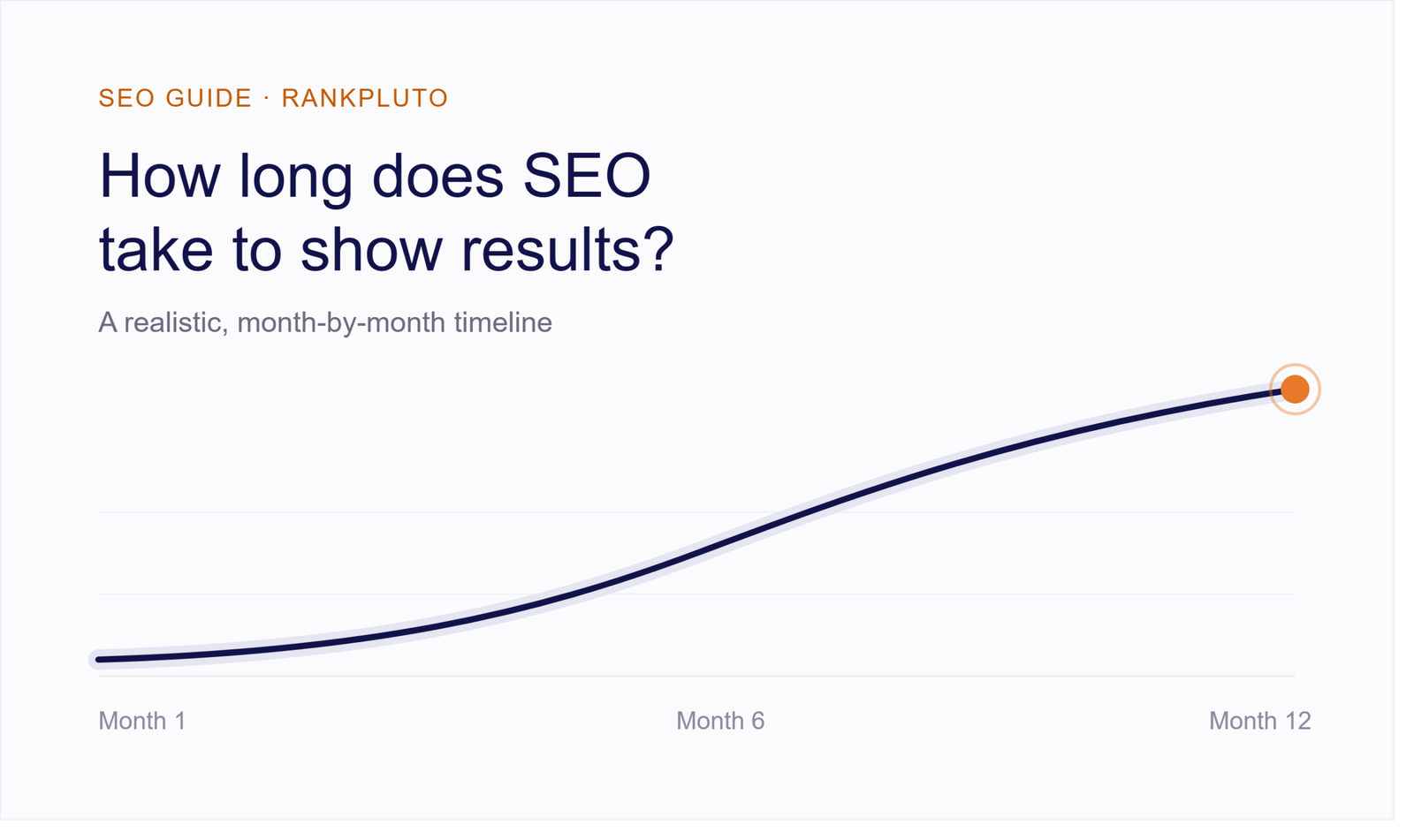
Most websites start seeing meaningful SEO results in 3 to 6 months, with stronger, more stable gains by month 6 to 12. New websites and highly competitive industries can take longer — sometimes 9 to 12 months for real traction. There’s no shortcut here: SEO is slow by design, because it’s built on trust signals that search engines can’t verify overnight.
If you’ve been told SEO works in 2 weeks, that’s not SEO — that’s usually a paid ad or a very lucky, low-competition keyword. Here’s what actually happens, month by month, and what affects your specific timeline.
Why SEO Isn't Instant
Search engines like Google don’t just look at your website once and decide you deserve to rank. They watch how your site performs over time — how often it’s updated, how other websites link to it, how users interact with your pages, and whether your content actually answers what people are searching for. Building that track record takes time. It’s less like flipping a switch and more like building a reputation.
A Realistic SEO Timeline, Month by Month
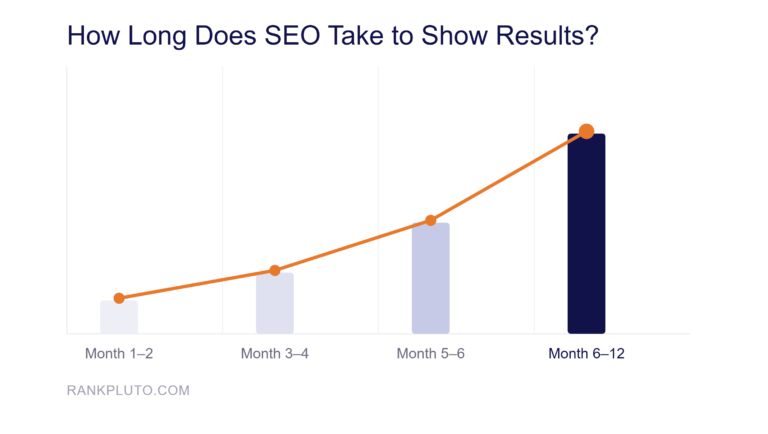
Month 1–2: Foundation This is where the technical and on-page work happens — fixing site speed, cleaning up broken links, optimizing titles and meta descriptions, and doing proper keyword research. You typically won’t see ranking movement yet. This stage is invisible but essential; skipping it is why so many SEO efforts stall later.
Month 3–4: Early Signals Search engines start noticing the changes. You may see small ranking improvements for lower-competition keywords, and a slight uptick in organic impressions in Google Search Console — even if clicks haven’t caught up yet.
Month 5–6: Measurable Traction This is usually when most businesses start seeing real movement — pages climbing into page 1 or 2 for target keywords, a noticeable increase in organic traffic, and the first steady trickle of leads from search.
Month 6–12: Compounding Growth Results start compounding. Content published months ago keeps ranking and improving. Backlinks accumulated over time add authority. This is the stage where SEO starts outperforming paid ads on cost-per-lead, because you’re no longer paying for the traffic you’re getting.
What Makes SEO Faster or Slower
Not every website follows the same timeline. A few things speed it up or slow it down:
- Domain age and history — an established site with some existing authority moves faster than a brand-new domain.
- Competition level — ranking for “best accountant near me” in a small town is faster than ranking for “best accountant” nationally.
- Content quality and consistency — publishing one blog post and stopping won’t compound; consistent, useful content does.
- Technical health — a slow, broken, or poorly structured site holds back everything else, no matter how good the content is.
- Backlink profile — sites with natural, relevant backlinks tend to rank faster than sites starting from zero.
Can You Speed Up SEO Results?
To a point, yes. Fixing technical issues early, targeting realistic (not overly competitive) keywords first, and pairing SEO with a short-term channel like PPC to generate leads while SEO builds up — all of this helps. What doesn’t work is trying to “hack” the timeline with shortcuts like buying backlinks or stuffing keywords; those tactics usually set you back further once search engines catch on.
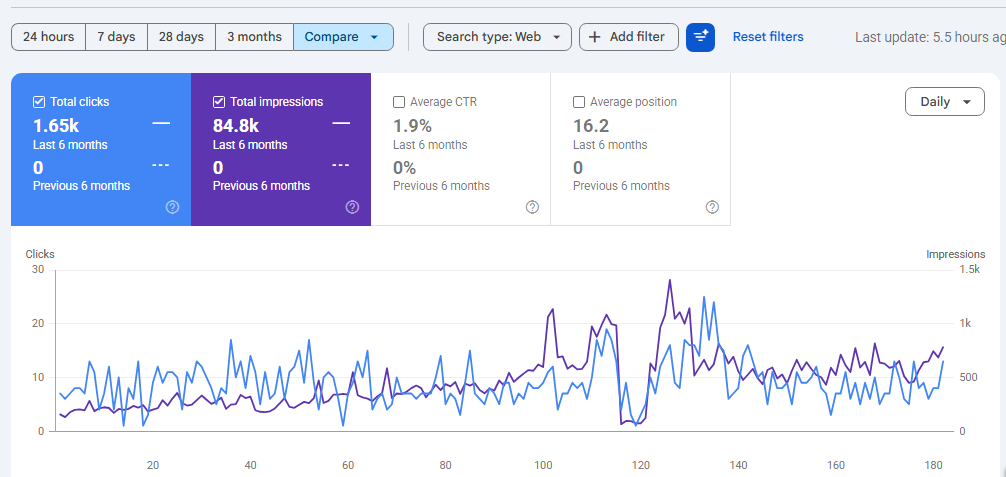
Real Results: Our Own SEO Growth